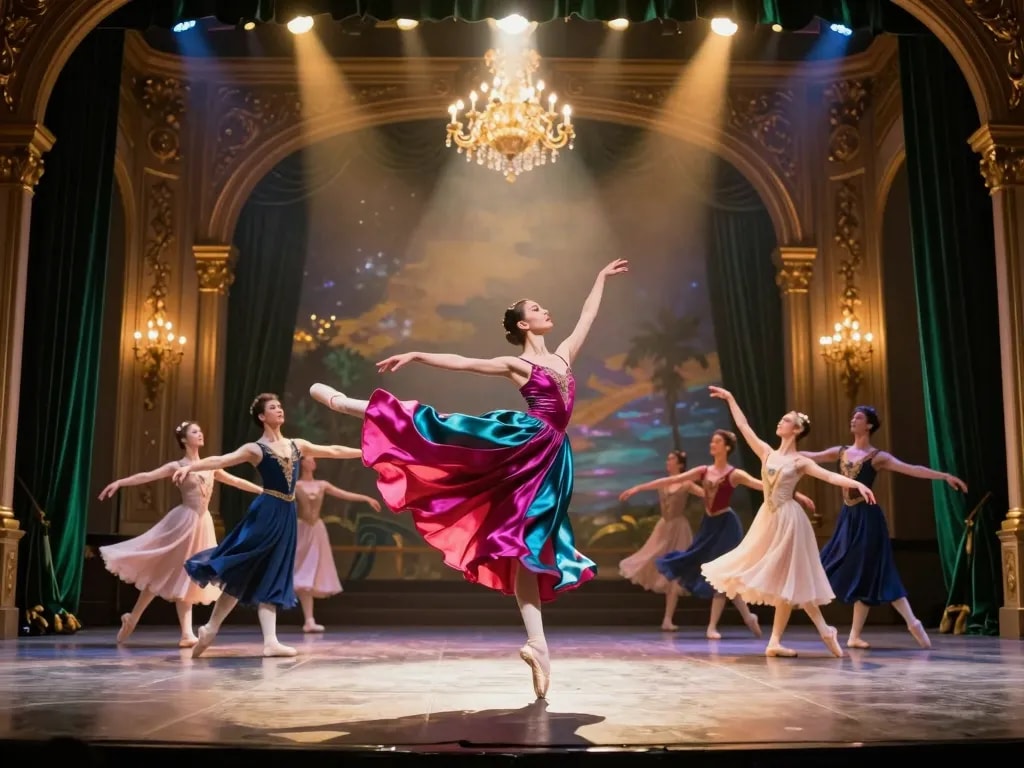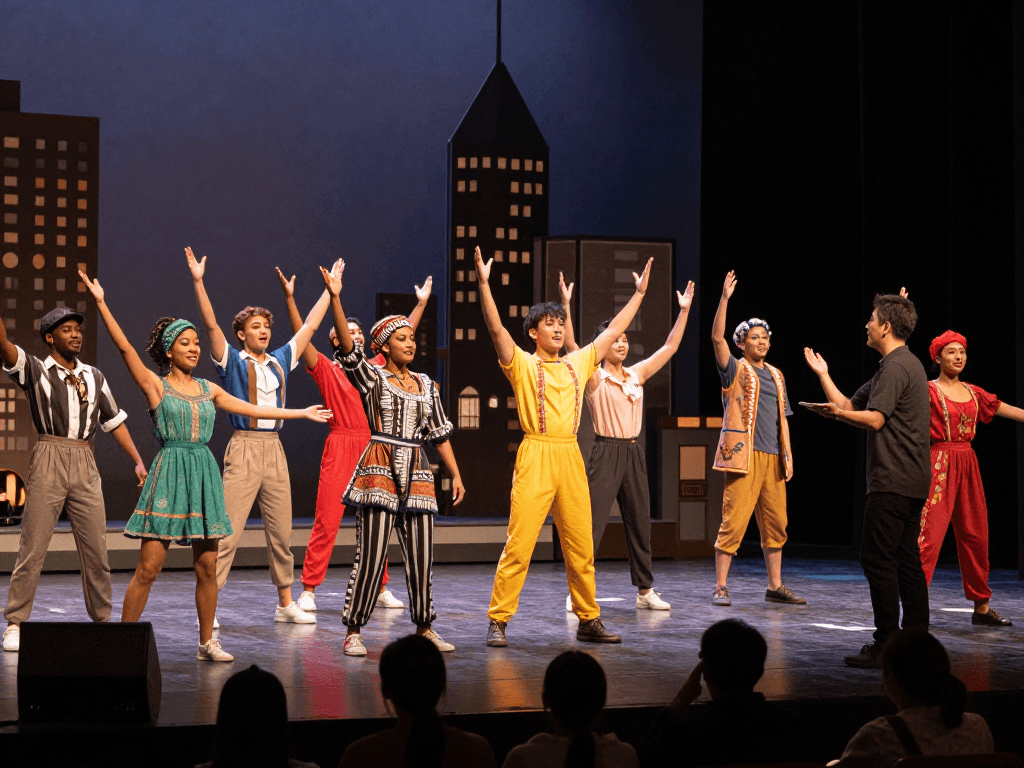
The Evolution of Contemporary Theatre
Theatre has always been a reflection of society, a place where stories come alive, and emotions are shared. As we venture into 2026, the evolution of contemporary theatre has taken on new dimensions. With influences from various cultures, advancements in technology, and shifting audience expectations, the landscape of theatre is more dynamic than ever. This article explores the historical context, modern innovations, and technological impact on performances, shedding light on how contemporary theatre continues to adapt and thrive. For those interested in diving deeper into the world of theatre and culture, https://www.nordicatheatre.com serves as an invaluable resource.
Historical Context and Influences
The roots of contemporary theatre can be traced back to various historical movements that have shaped its current form. From the ancient Greek tragedies to the elaborate plays of the Elizabethan era, each period has contributed to the tapestry of theatrical history. The rise of modernism in the 20th century introduced a shift toward more abstract and experimental forms of theatre, eventually leading to postmodernism which embraces eclecticism and a blend of styles.
In recent years, the globalisation of culture has further enriched contemporary theatre. Productions now often incorporate diverse narratives and artistic styles, leading to a more inclusive representation of stories. This evolution reflects not just a broader appreciation for different cultures but also a response to the increasingly multicultural audiences that theatres serve today.
Modern Innovations in Storytelling
As storytelling methods evolve, so too do the techniques used to deliver them. Contemporary theatre now often employs non-linear narratives and interactive elements that engage audiences in unprecedented ways. The use of multimedia—such as projections, live feeds, and digital effects—has become commonplace, enhancing the visual experience of performances.
Moreover, contemporary playwrights and directors are experimenting with the boundaries of traditional narratives. For instance, works that blend genres, or those that invite audience participation, create a more immersive experience, fostering a deeper emotional connection between performers and viewers.
Impact of Technology on Performances
Technology's influence on theatre cannot be overstated. Advances in lighting, sound design, and staging have transformed how stories are told on stage. The ability to create intricate environments and realistic soundscapes allows theatre artists to craft experiences that were once unimaginable.
Additionally, social media and streaming platforms have changed the way audiences interact with theatre. Performers and companies use these tools for promotion, engagement, and even live-streaming performances to reach wider audiences, breaking down the geographical barriers that once confined theatre appreciation.
Understanding Cultural Significance in Theatre
Theatre has long been a medium for cultural expression, reflecting societal values and issues. As we navigate through 2026, it continues to serve as a critical platform for cultural dialogue, allowing communities to share their histories and challenges. Productions today not only entertain but also provoke thought and inspire action, often addressing pressing societal issues such as identity, race, and social justice.
Interpreting Local Narratives
Local narratives are vital in contemporary theatre, offering insights into specific cultural experiences and realities. By focusing on stories from diverse communities, theatre can nurture understanding and empathy among audiences, encouraging them to engage with perspectives outside their own. This emphasis on local stories also supports emerging playwrights and artists, fostering a vibrant artistic community.
Global Influences on Local Productions
Interestingly, while local narratives are essential, they don't exist in a vacuum. Global influences permeate local productions, often blending international themes with regional stories. This hybrid approach enriches the theatrical landscape, creating a dialogue between cultures and enhancing viewers' appreciation for the shared human experience.
The Role of Theatre in Cultural Preservation
Theatre serves a crucial role in preserving cultural heritage. By staging traditional stories or modern interpretations of folklore, theatre companies can keep cultural narratives alive for future generations. This preservation effort also aids in educating audiences about different cultures and histories, ensuring that diverse voices are heard and respected in the public discourse.
Challenges Faced by Contemporary Artists
Despite the vibrant developments in contemporary theatre, artists face numerous challenges in their craft. These obstacles can range from financial sustainability to the pressures of meeting audience expectations while maintaining artistic integrity.
Funding and Financial Sustainability
One significant challenge for theatre artists is securing adequate funding for productions. Many rely on grants, sponsorships, and ticket sales, which can fluctuate dramatically. The economic landscape post-pandemic has made this challenge even more pronounced, with many theatres struggling to stay afloat. Artists must continue to be innovative not only in their storytelling but also in their fundraising efforts to ensure the viability of their projects.
Balancing Artistic Vision with Audience Expectations
Contemporary artists often find themselves at the crossroads of artistic vision and audience demands. While innovative storytelling is crucial, there's also the reality that audiences have specific expectations based on previous experiences. Striking a balance between pushing artistic boundaries and catering to audience preferences can be a delicate task, requiring insight and adaptability.
Navigating Industry Trends and Changes
Theatre artists must remain vigilant and responsive to industry trends. This includes staying informed about the latest technology, storytelling techniques, and audience engagement strategies. Those who adapt quickly are more likely to resonate with contemporary audiences, ensuring their work remains relevant.
Best Practices for Engaging Performances
Creating engaging performances is paramount in today’s competitive theatrical landscape. As audiences increasingly seek meaningful experiences, theatre artists must employ best practices to foster authentic connections.
Building Authentic Connections with Audiences
Building rapport with audiences is essential for creating memorable performances. This involves not only understanding audience demographics but also engaging with them on emotional levels. Performers can utilize techniques such as direct address or immersive theatre to dissolve the boundaries between the stage and the audience, making viewers feel like active participants rather than passive observers.
Utilizing Feedback for Continuous Improvement
Feedback is invaluable for continuous improvement. Artists should actively seek audience responses through surveys, post-show discussions, or social media interactions. This feedback not only informs future projects but also fosters a sense of community between the artists and their audience, enhancing the overall theatre experience.
Collaborative Approaches in Production
Collaboration is a cornerstone of successful theatre productions. Bringing together diverse talents—from writers and directors to designers and performers—results in richer, more dynamic performances. Emphasizing teamwork encourages the sharing of ideas and fosters a creative environment where each member feels valued and invested in the project.
Future Trends in Theatre for 2026 and Beyond
As theatre continues to evolve, several trends are emerging that will shape its future. From digital innovations to sustainability efforts, the upcoming years promise exciting developments in how theatre is produced and consumed.
Emergence of Digital and Hybrid Performances
The rise of hybrid performances—a blend of live and digital experiences—has gained traction, particularly in the wake of the pandemic. This trend allows for greater flexibility and accessibility, enabling audiences to engage with theatre from anywhere in the world. The integration of digital elements into live performances also introduces new creative possibilities for artists.
Sustainability Practices in Theatre Production
As environmental concerns rise, so does the push for sustainable theatre practices. Companies are increasingly seeking ways to reduce waste and energy consumption, from using eco-friendly materials to implementing recycling programs. Sustainability not only aligns with global efforts but also resonates with today’s audiences who are more environmentally conscious.
New Platforms for Theatre Distribution and Engagement
Theatre artists and companies are exploring new platforms for distributing their work. Streaming services and social media play an integral role in reaching wider audiences, allowing productions to exist beyond the traditional theatre setting. These platforms also foster new forms of storytelling, providing exciting avenues for engagement that were previously unavailable.
What is the future of theatre production?
The future of theatre production appears bright, with continuous innovation leading the way. As artists embrace new technologies and audience engagement strategies, the theatrical experience will likely become more immersive and interactive, appealing to both traditional and modern audiences.
How does technology influence modern storytelling in theatre?
Technology's role in modern storytelling is transformative. It enables artists to create compelling visual narratives that enhance the emotional impact of their work. Whether through multimedia integration or innovative staging techniques, technology has become an essential tool for contemporary theatre.
What challenges do contemporary theatre artists face today?
Contemporary theatre artists face numerous challenges, including funding constraints, audience expectations, and the rapidly changing landscape of the industry. Navigating these obstacles requires creativity, resilience, and a willingness to adapt.
How can audiences support local theatre productions?
Audiences can support local theatre productions in various ways, such as attending performances, engaging with companies on social media, and providing constructive feedback. Additionally, purchasing merchandise or making donations can help sustain local theatres during challenging times.
What are the key skills for aspiring theatre professionals?
Aspiring theatre professionals should focus on developing a range of skills, including collaboration, adaptability, and creativity. Understanding the technical aspects of production, as well as honing storytelling techniques, will position them for success in the industry.